Best binoculars for birdwatching under $500
Under $500, birdwatching binoculars are mostly a tradeoff between brightness, edge clarity, and size. The guide points to a short list with real drawbacks, not miracles.
5 picks Updated

Tents, boots and packs, tested past the car park.
Under $500, birdwatching binoculars are mostly a tradeoff between brightness, edge clarity, and size. The guide points to a short list with real drawbacks, not miracles.
5 picks Updated

Short torsos need adjustability more than marketing. The packs here made the cut because outlet testers found real fit range, snug upper-back fits, or torso-length adjustment. That still leaves tradeoffs: weight, price, or a shape that works best for only some hikes.
5 picks Updated
Under $300, the useful birdwatching choices are straightforward: full-size 8x42 models give the best mix of brightness and usability, while smaller travel models are easier to carry but give up light. OutdoorGearLab and Good Housekeeping both point to real tradeoffs, not miracle deals. The safest picks here are the ones those outlets praise, with a drawback or two attached.
5 picks Updated
The strongest evidence here comes from backpack reviews that mention an integrated or included rain cover. Those are the closest tested matches available for a rain-cover-focused buying guide.
4 picks Updated
A weekend camping cooler needs two things: enough cold time for two or three days, and a shape you can move without hating it. The strongest picks here come from outlet testing of insulation, portability, and ease of use. The tradeoff is simple: the better the cold retention, the heavier and pricier the cooler usually gets.
5 picks Updated
Hydration compatibility is the hard requirement here, and these four daypacks clear that bar in different ways: pouch compartment, bladder compatibility, external sleeve, or an internal sleeve. The tradeoffs are still real, from hand-wash care to extra weight, weaker water resistance, and average mobility.
4 picks Updated
Day hikes do not need a complicated pack, but they do need one that fits, rides well, and does not turn into a sponge. OutdoorGearLab, Consumer Reports, and Good Housekeeping all found solid options, with comfort and pocket layout doing most of the work.
5 picks Updated
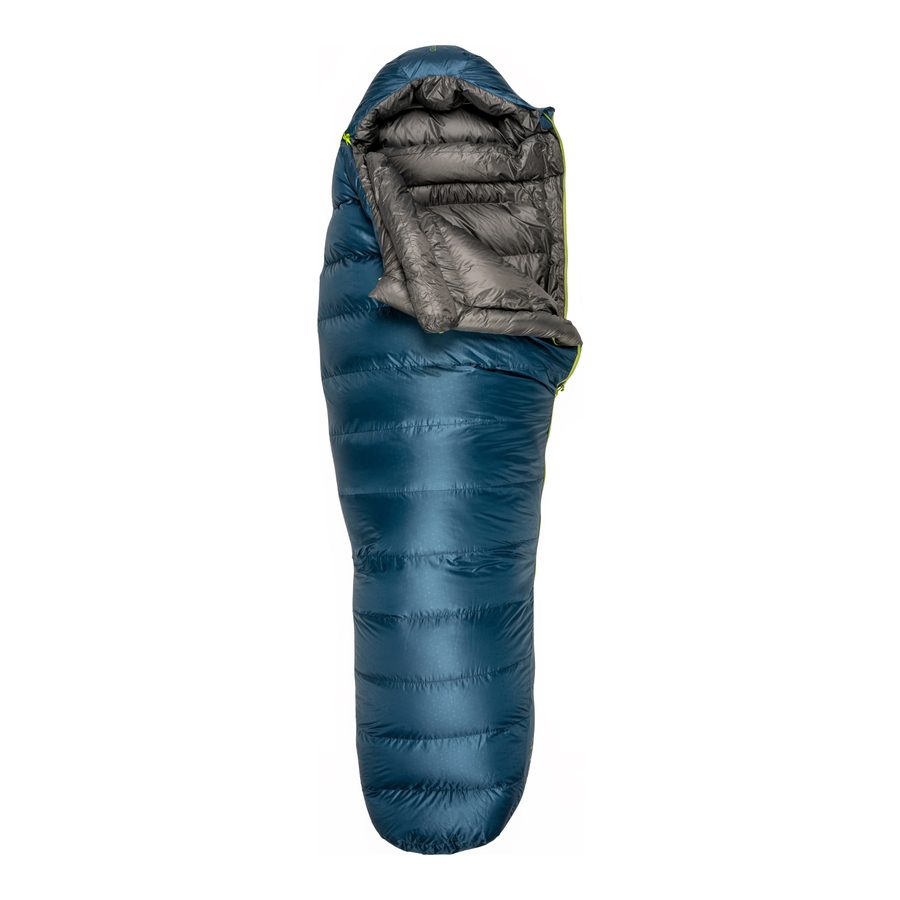
The temperature on the label is usually not the temperature you can sleep at. What the ratings mean and how to read them.
4 picks Updated
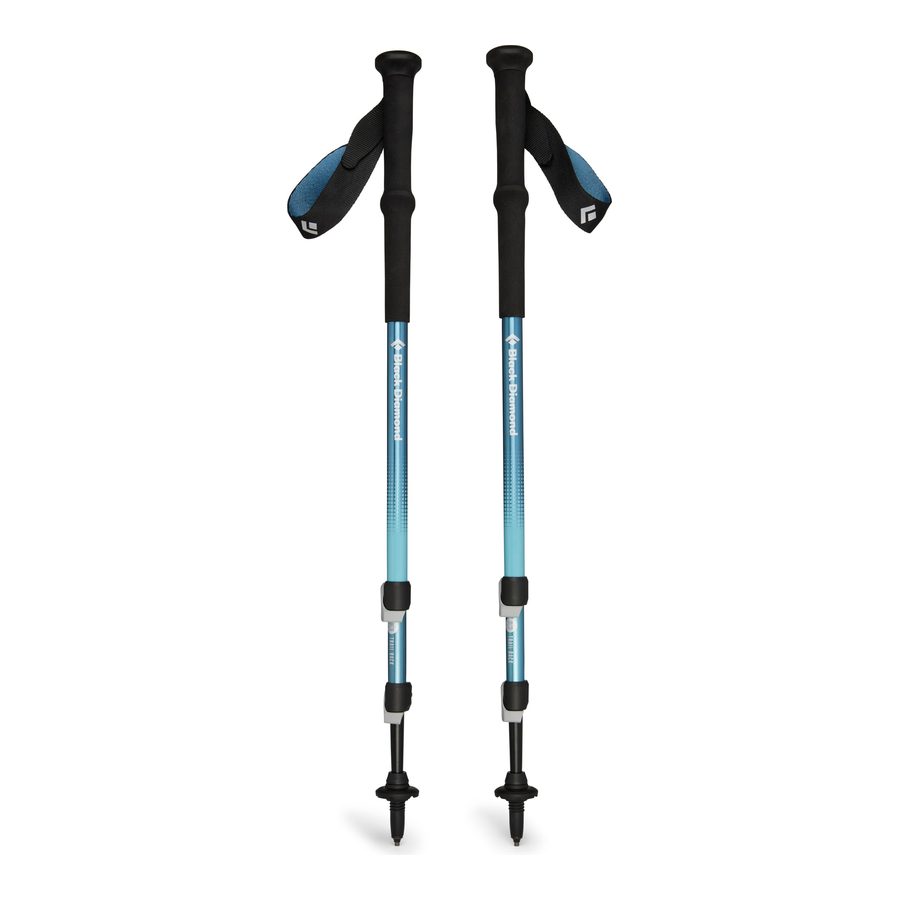
Aluminium or carbon, telescoping or folding. The two decisions that matter, and the pole that suits most walkers without needing to be babied.
4 picks Updated
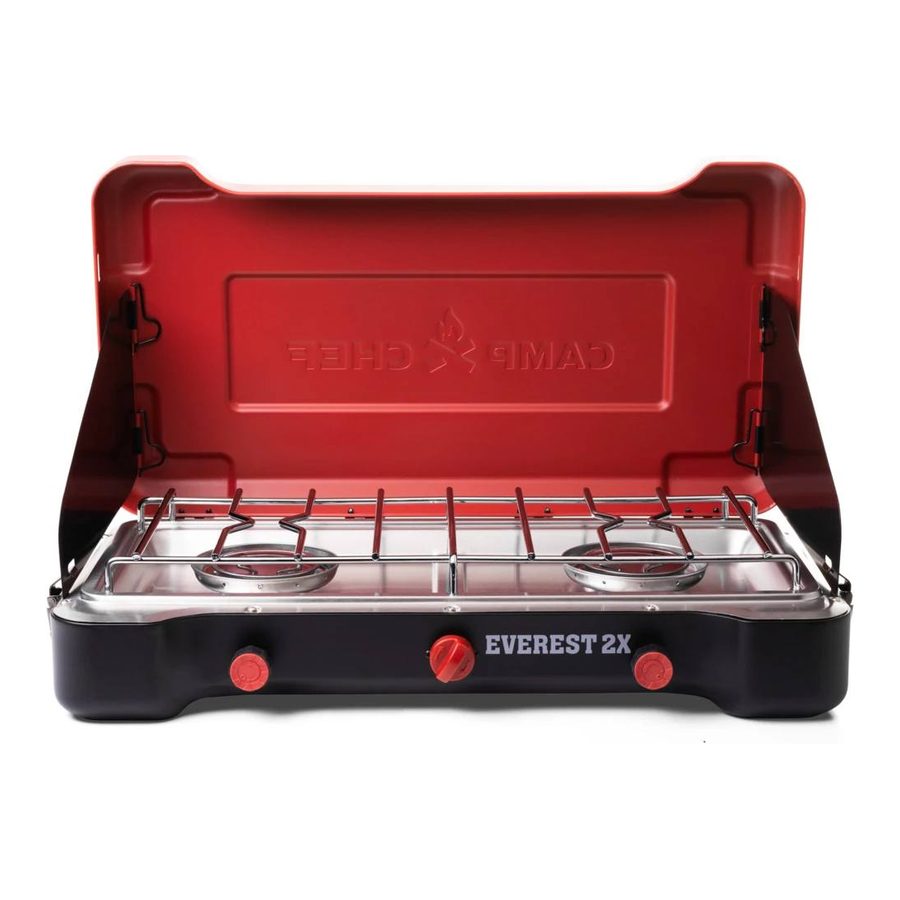
When the car carries the weight, a stove can be built for cooking rather than for grams. Why the BTU number on the box does not tell you what you need.
4 picks Updated
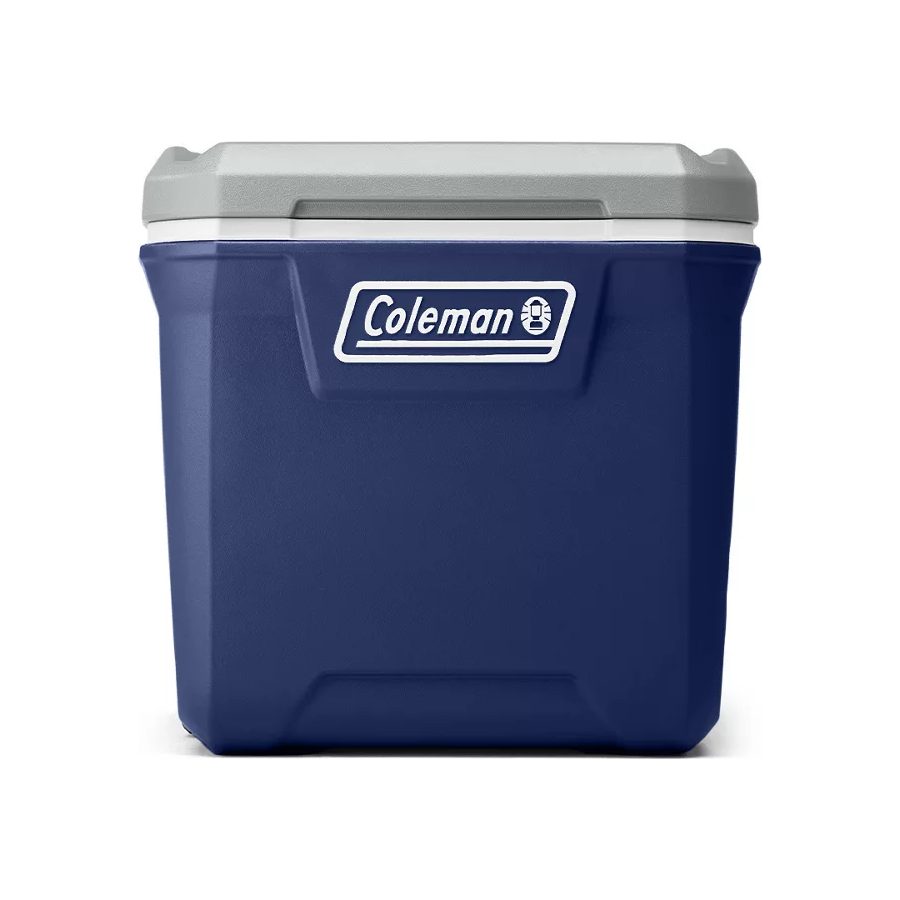
Forty-eight hours turns out to be a low bar: every hard cooler in the biggest test we can read cleared it. What the extra days cost, and who needs them.
4 picks Updated
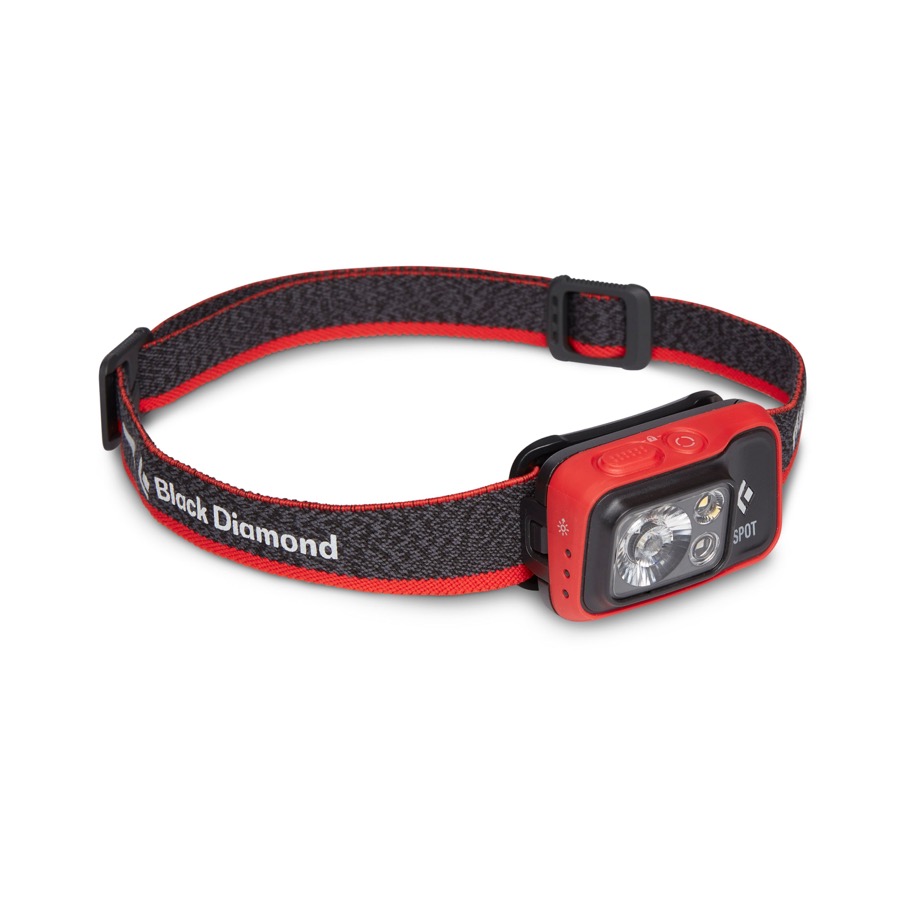
Lumens are the number on the box and rarely the number that matters. Beam shape, runtime and how to compare them honestly.
3 picks Updated
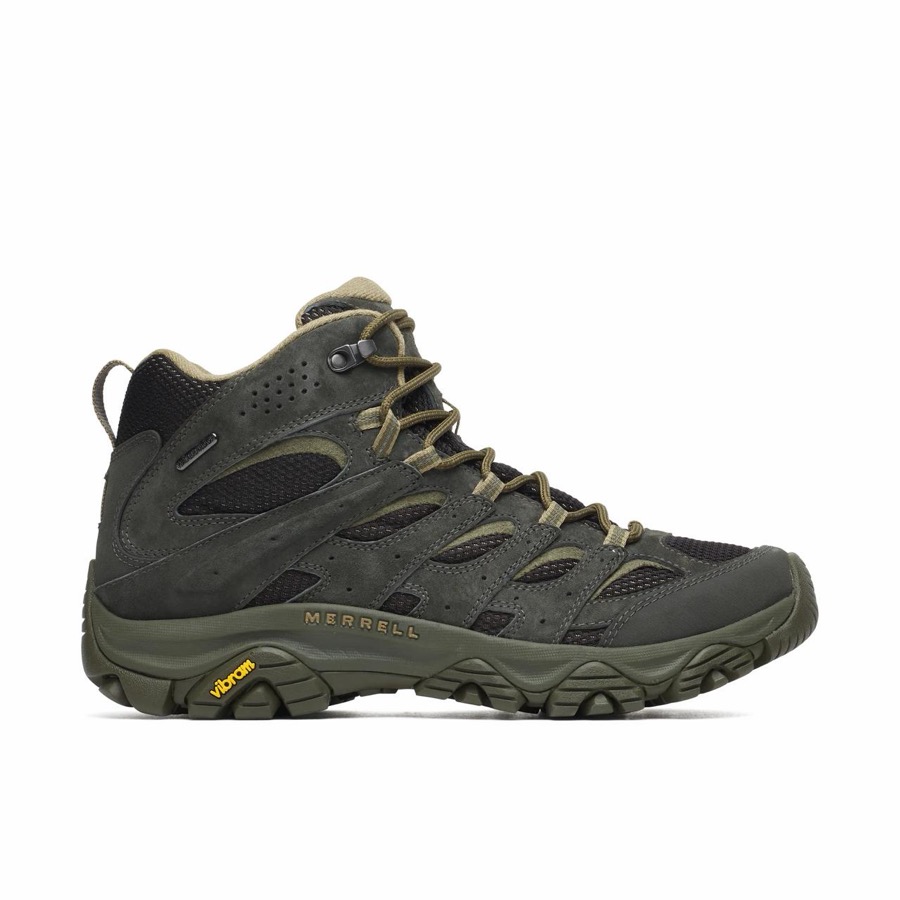
Most boot brands are cut narrow, and 'wide' means different things to each of them. The last widths that matter and how to work out yours.
3 picks Updated
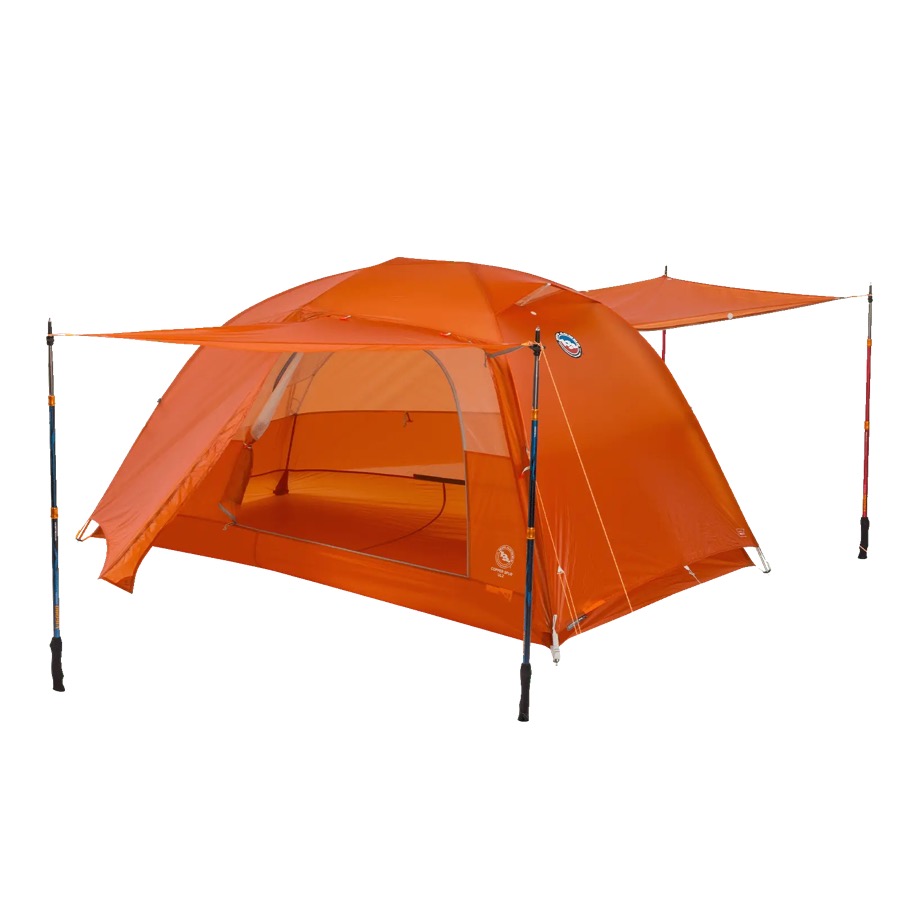
Most two-person tents fit two people only in the sense that two sleeping bags will physically go in. The measurements to check before you buy.
3 picks Updated
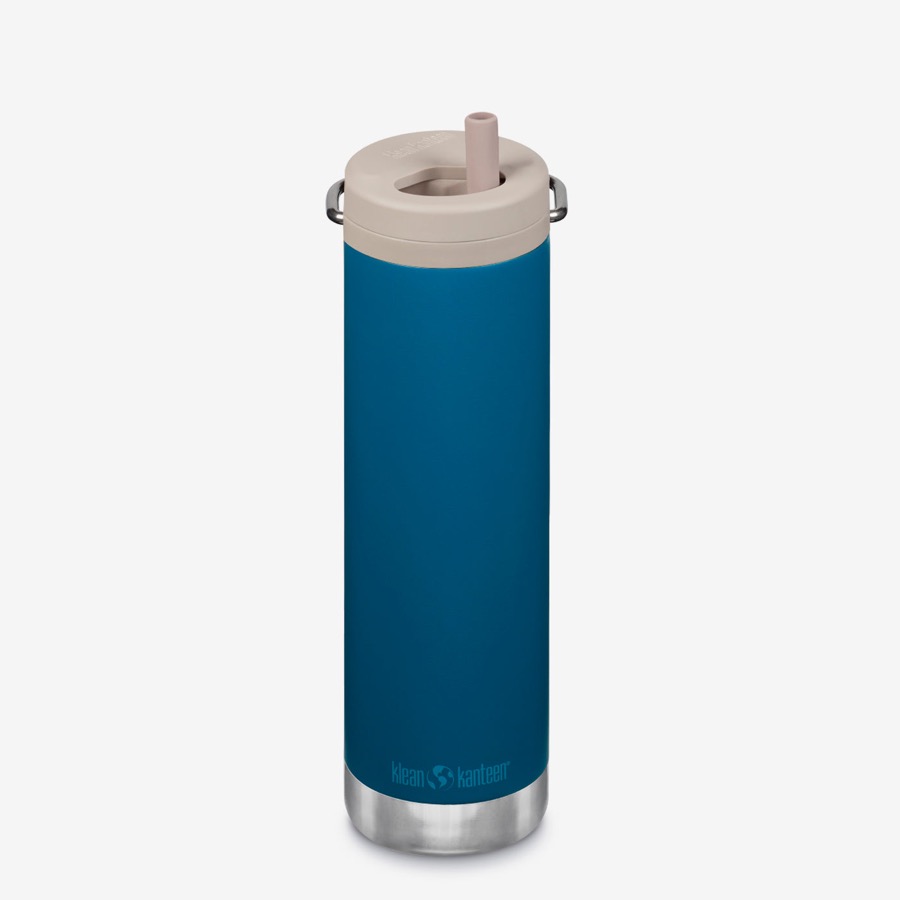
Every vacuum flask claims to hold ice for 24 hours. The claim is testable, and most of them do not.
3 picks Updated