Best merino wool base layers
Merino's advantages are real and its weakness is durability. Weight, micron and blend ratio, and what each of them changes.
4 products ranked Updated
Our rankings are built from published testing by named outlets, not from our own lab. We earn a commission when you buy through our links, and it never changes the order.
The short answer
- 1 Meriwool Merino 250 Long Sleeve Best value, and the weight most people want $65.00
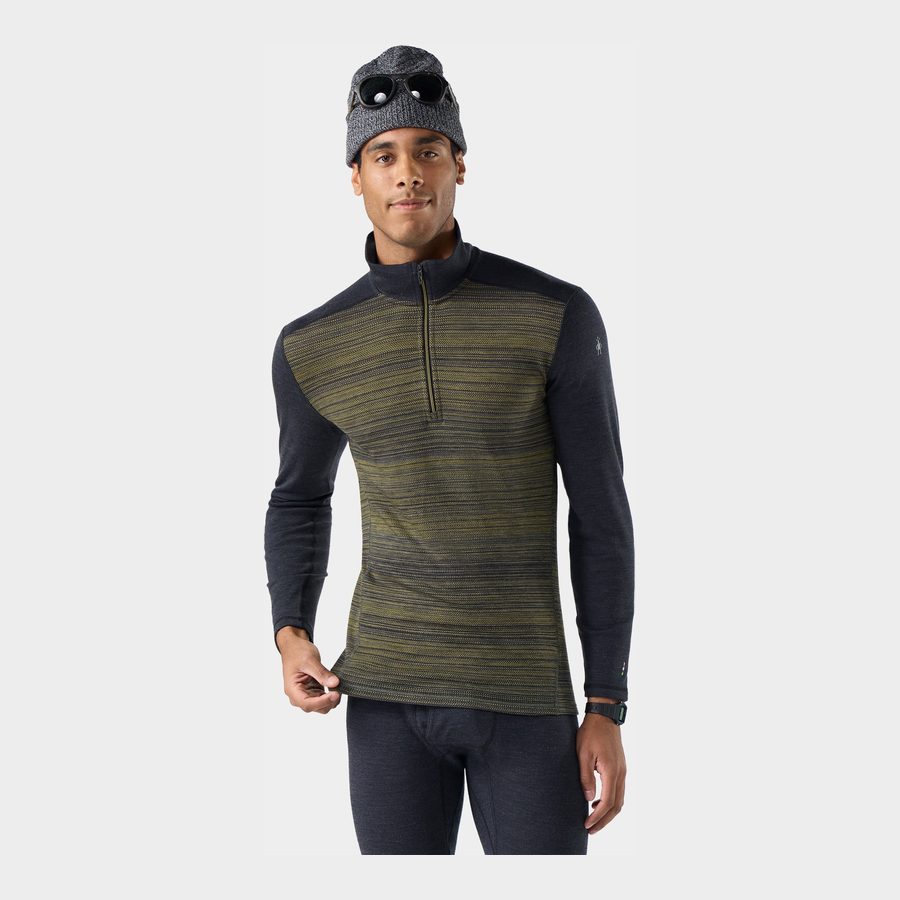
- 2 Smartwool Classic Thermal Merino 1/4 Zip Best overall $130.00
- 3 Ibex Woolies Pro Tech Crew Best under a rucksack $120.00
- 4 Merino.tech Crew Cheapest worth buying $50, per OutdoorGearLab
Prices checked 9 September 2026. They move constantly — the retailer's own page is the authority.
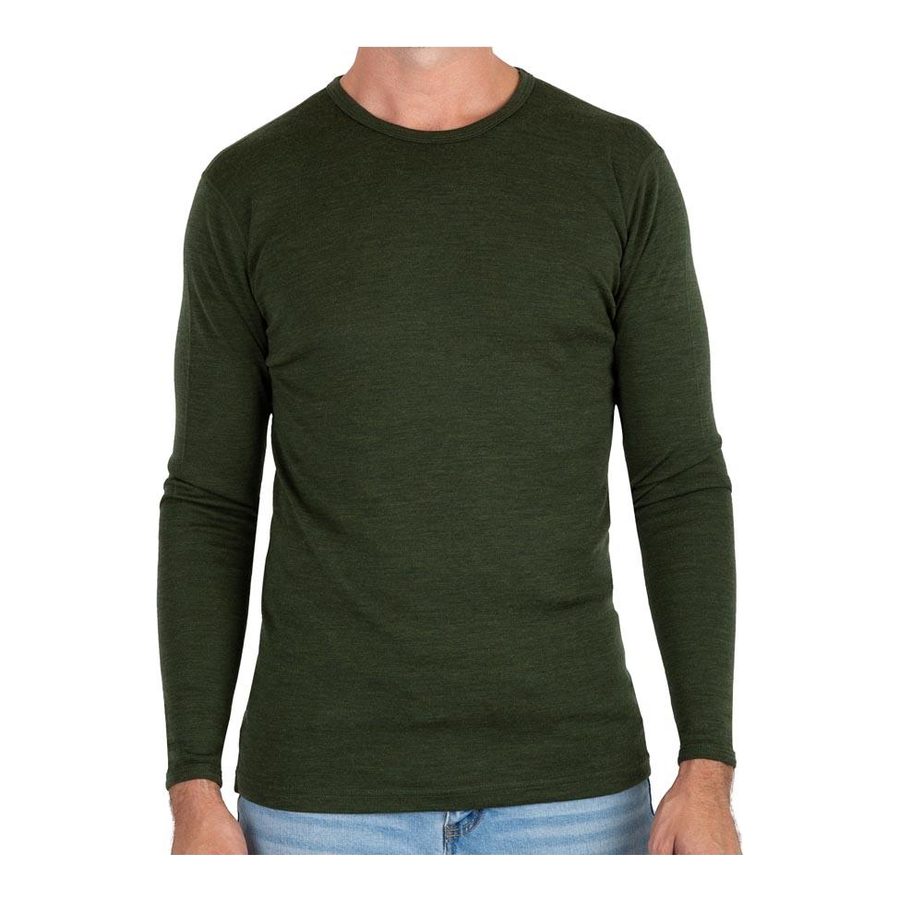
Meriwool Merino 250 Long Sleeve
4 / 5
Our reading of OutdoorGearLab — 73/100 and a Top Pick , 2026
Around 200 gsm of 100% merino for $65. The section above argues 200 gsm is the general-purpose weight, and this is the cheapest way to get it in pure wool — the Editors' Choice below is 220 gsm and twice the price. It scores seven points lower overall, and if you are buying one base layer for ordinary use we would still start here.
Pros
- About 200 gsm — the weight that suits most conditions
- 100% merino at $65, half the Editors' Choice
Cons
- 73/100 against the winner's 80
- Pure merino wears through faster than a nylon blend under a pack
- Fabric weight
- about 200 gsm per our source, though Meriwool names the shirt "250"
Where these findings come from
- OutdoorGearLab: 73/100 and a Top Pick; around 200 gsm, 100% Merino wool, $65
Smartwool Classic Thermal Merino 1/4 Zip
4.5 / 5
Our reading of OutdoorGearLab — Editors' Choice at 80/100 — the top score of 23 , 2026
The highest score of 23 garments, and a quarter-zip, which matters more than it sounds: it is the only practical way to dump heat without taking the layer off. At 220 gsm it is at the warm end of general-purpose — good from autumn through winter, too much for a summer hike.
Pros
- Top score of 23 tested
- Quarter-zip lets you vent without stripping
- 220 gsm suits autumn through winter
Cons
- $130, against $65 for a similar weight in the same fibre
- Too warm for summer or high-output use
- Fabric weight
- 220 gsm per our source; Smartwool's own page lists 250 g/m2
Where these findings come from
- OutdoorGearLab: Editors' Choice, 80/100; 220 gsm, 100% Merino wool, $120
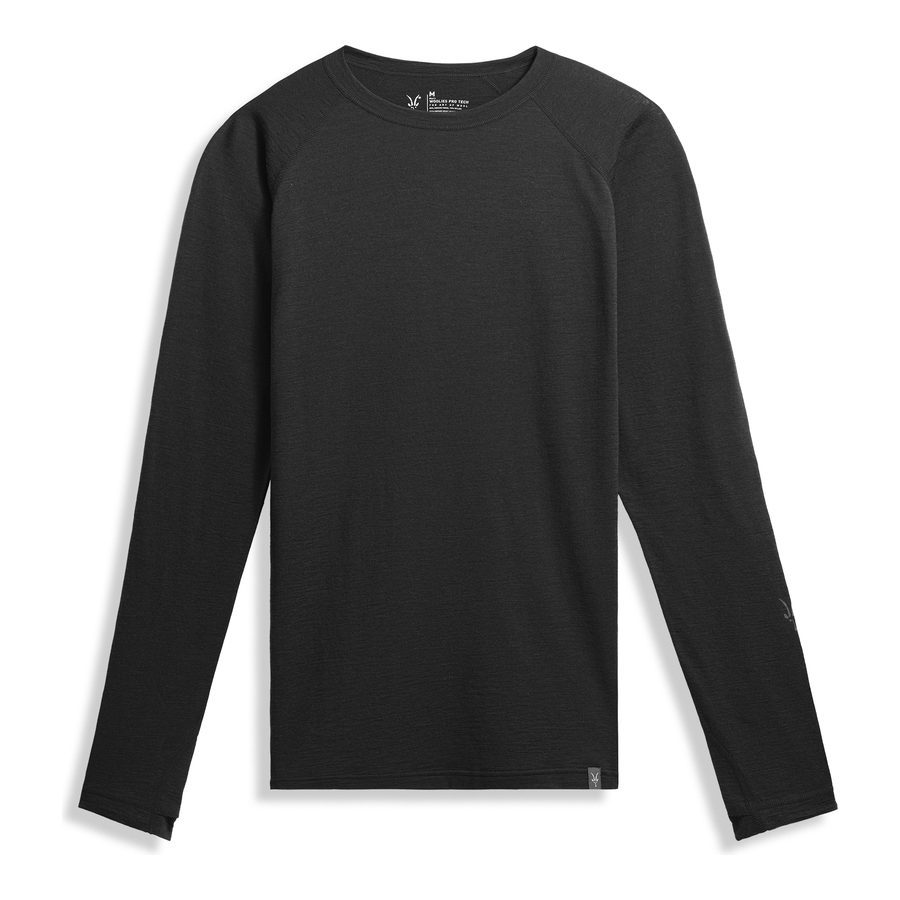
Ibex Woolies Pro Tech Crew
4 / 5
Our reading of OutdoorGearLab — 77/100 and a Top Pick , 2026
85% merino with 15% nylon — which is precisely the blend the section above recommends for anything worn under a pack, because pure wool wears through at the shoulders first. At 125 gsm it is a summer or high-output layer rather than a winter one. If you hike with a rucksack, this is the one that will still exist in three years.
Pros
- 15% nylon is the ratio that survives pack straps
- 125 gsm — genuinely usable in warm weather
- 77/100
Cons
- $120 for a lightweight layer
- Too thin for cold weather on its own
Where these findings come from
- OutdoorGearLab: 77/100 and a Top Pick; 125 gsm, 85% Merino with 15% nylon, $120
Merino.tech Crew
3.5 / 5
Our reading of OutdoorGearLab — 67/100 and a Best Buy , 2026
$50 for 100% merino is genuinely cheap, and at about 135 gsm it is a warm-weather layer — do not buy it expecting winter warmth. The lowest score of our four, and still a Best Buy, which is the useful signal: it does the job, it is simply less refined than the ones above.
Pros
- 100% merino at $50
- Light and fast-drying at about 135 gsm
Cons
- Lowest score of the four
- A summer weight, not a winter one
- No image and an unverified price
Where these findings come from
- OutdoorGearLab: 67/100 and a Best Buy; around 135 gsm, 100% Merino wool, $50

What actually matters
Fabric weight, in grams per square metre. This is the number that decides what the garment is for. Roughly: 150 gsm and below is a summer or high-output layer, 200 gsm is the general-purpose choice, 250 gsm and above is cold weather or low activity. Buying by weight rather than by the words on the label is the single most useful thing here.
Micron count. Lower microns mean finer fibres and softer fabric. Around 17.5 is very soft against skin; above 20 you may find it prickly. Fine wool is also more delicate.
Blend ratio. Pure merino feels best and wears through fastest, usually at the shoulders under a pack strap and at the elbows. A blend with 10 to 15 per cent synthetic dramatically improves lifespan for a small loss in feel. For anything carrying a rucksack, the blend is the sensible buy.
Flatlock seams and offset shoulders. Under a pack, a raised seam on top of the shoulder is what causes rubbing.
Where this comes from
We do not test base layers. Our source tested 23 across skiing, climbing, hiking and biking, plus controlled indoor exercise and lab abrasion testing against sandstone — which is about as close as anyone gets to the durability question this guide cares about.
Usefully, they publish fabric weight in gsm and the exact blend for every garment. Those two numbers are what the section above says to shop on, so the picks below are ordered by them rather than by overall score.
One pick has no photograph
Merino.tech sells several crews, and none of them matches the weight our source reports for the one it tested. Rather than picture a shirt that may not be the one reviewed, that pick carries an Amazon search link and a price quoted from our source.
A note on weights. The two heavier picks are sold as 250 g/m2 on their makers' pages, while our source lists them at about 200 and 220 gsm. We order by our source's figures, because those are the garments it tested, and we show both numbers on each pick so you can check.
What we are leaving out
Anything below about 60 per cent merino, which is a synthetic garment with wool in the marketing.
Where this comes from
We did not test these. These people did.
Every score on this page rests on the testing below. The ranking is ours; the measurements are not. How we research.
- OutdoorGearLab — 23 base layers across skiing, climbing, hiking and biking, plus controlled indoor exercise and lab abrasion testing against sandstone. Publishes gsm and blend for each.
Questions people ask
How many days can you really wear merino?
Can merino go in the washing machine?
More guides

Best LED bulbs for warm light
Warm light is mostly about Kelvin, not the word “soft white” on the box. The strongest pick here is Consumer Reports’ 2700K GE bulb, while Tom’s Guide backs the basic rule that 2700K gives a warm glow. Smart bulbs can work too, but only if they can dim all the way down into the warm range.
3 picks Updated

Best stand mixers if you bake twice a month
If you bake twice a month, a stand mixer should be a convenience, not a burden. The best choices here are the smaller all-purpose models that handle whipped cream, cake batter, and cookie dough without much fuss. Bread specialists are better left to people who bake a lot of bread.
4 picks Updated

Best cutting boards for a dishwasher household
A dishwasher household needs boards that can take repeated wash cycles without warping, slipping, or becoming a nuisance to clean. The best picks here are the ones the outlets explicitly call dishwasher-safe, but each still has a catch: size, grip, or cutting feel.
5 picks Updated